Home stewardship
The Lost Art of Stewardship
A reflection on why modern homeownership needs more than alerts, dashboards, and maintenance reminders. It needs stewardship, continuity, context, and calm human judgment.
There is no shortage of companies trying to turn the home into another dashboard.
Another stream of alerts.
Another system demanding attention.
Another app reminding people that something else needs fixing, replacing, upgrading, monitoring, scheduling, optimizing, or paying for.
But that was never the goal of Potomac Lux.
The goal was stewardship.
Not maintenance.
Not automation for the sake of automation.
Not turning the home into another machine people have to manage.
Stewardship.
Because somewhere along the way, modern homeownership stopped feeling supported.
And started feeling lonely.
For a long time, homes were never meant to be taken care of alone.
There were fathers.
Mothers.
Grandparents.
Neighbors.
Craftsmen.
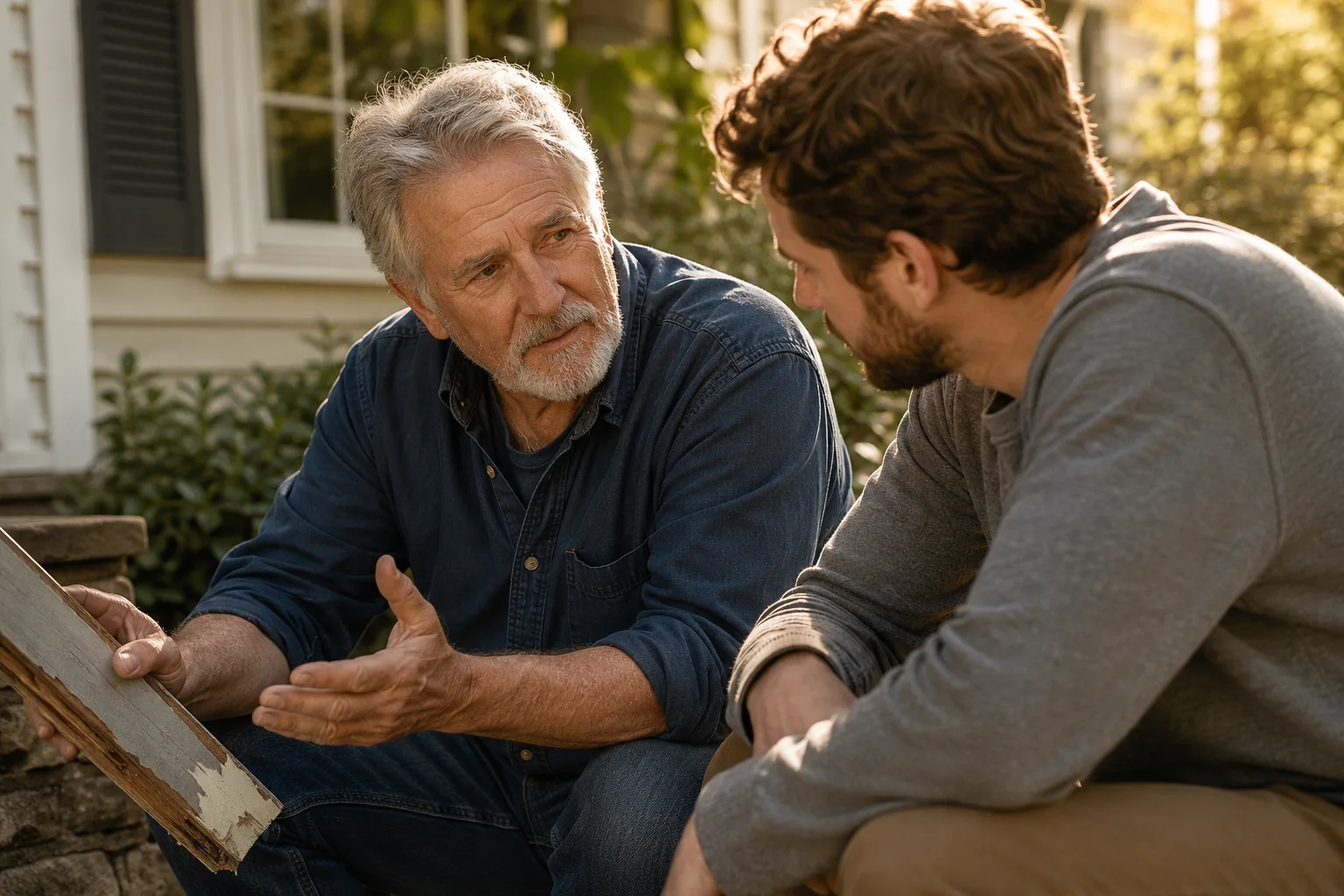
The wise uncle who somehow knew a little bit about everything.
Someone who had seen this before.
Someone who could walk into a room, look around quietly for a few minutes, and calmly say:
“You’re okay.”
Or:
“Fix this first. The rest can wait.”
That knowledge mattered.
Not just because it helped people repair things.
But because it helped people feel safe.
Older generations often treated homes differently because they understood something modern culture slowly forgot:
A home is not just a financial asset.
It is part of a life.
It carries routines.
Memories.
Stress.
Celebrations.
Children.
Loss.
Recovery.
A home absorbs the shape of the people living inside it.
And over time, caring for a home became less about stewardship and more about reaction.
Wait until something breaks.
Search online.
Call somebody.
Hope they are honest.
Hope they are fair.
Hope they are not trying to scare you.
Hope you can afford whatever comes next.
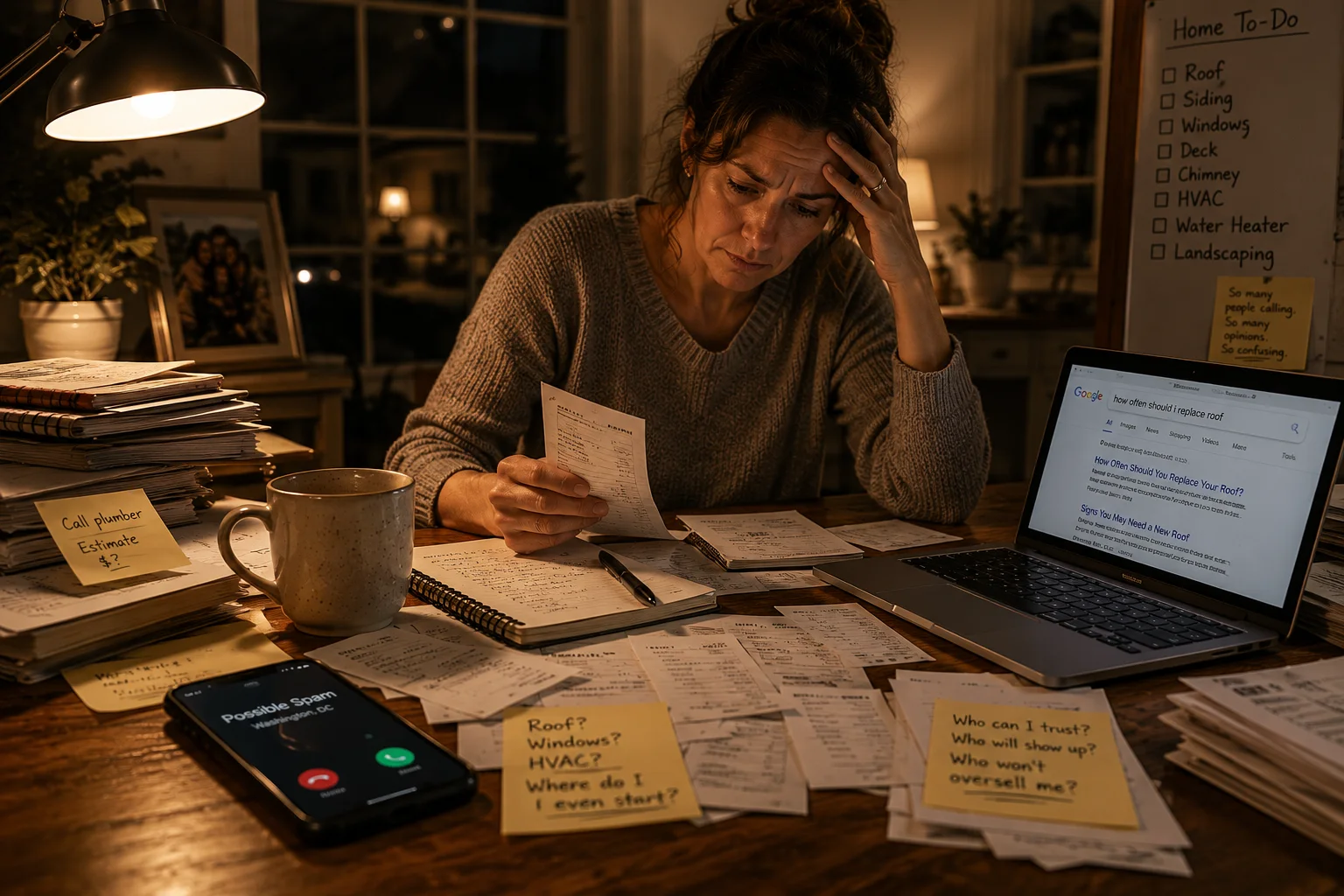
A lot of homeowners now live in a constant low-level anxiety with their homes.
Not because they are irresponsible.
Not because they are lazy.
But because most people no longer inherited the systems of knowledge that once surrounded homeownership.
We outsourced the work.
Then slowly lost the understanding.
And those are not the same thing.
There is nothing wrong with specialization.
People do not need to become electricians, roofers, engineers, plumbers, or contractors.
That is not the point.
The problem is losing the ability to make decisions from a position of confidence.
From a position of understanding.
From a position of calm.
Today, many homeowners feel trapped between two bad choices:
Ignore the problem and hope it is not serious.
Or panic the moment someone says something might be wrong.
That is not stewardship.
That is survival.
And unfortunately, many systems quietly make this worse.
Fear gets attention.
Urgency creates sales.
Confusion creates dependence.
The more overwhelmed people feel, the easier they are to pressure into decisions they do not fully understand.
Especially when it comes to the place where they are supposed to feel safest.
That is the part many industries still fail to understand.
A home is emotional.
If people do not feel safe in their homes, they do not really feel at home.
That changes the way people experience every leak, crack, strange sound, repair estimate, or unexpected expense.
Most homeowners are not just trying to protect a building.
They are trying to protect stability.
Their family.
Their future.
Their peace of mind.
And now life itself is becoming more uncertain.
People are delaying repairs because money is tighter.
Families are carrying more stress.
Some are preparing for children.
Others are caring for aging parents.
Some are trying to survive layoffs.
Others are quietly wondering if they will still be able to afford the homes they worked their entire lives to buy.
Generic information is no longer enough.
People do not just need maintenance reminders.
They need context.
A crack in the wall means something very different to:
- a retired couple preparing to sell their home,
- a young family expecting a baby,
- or someone who just lost their job.
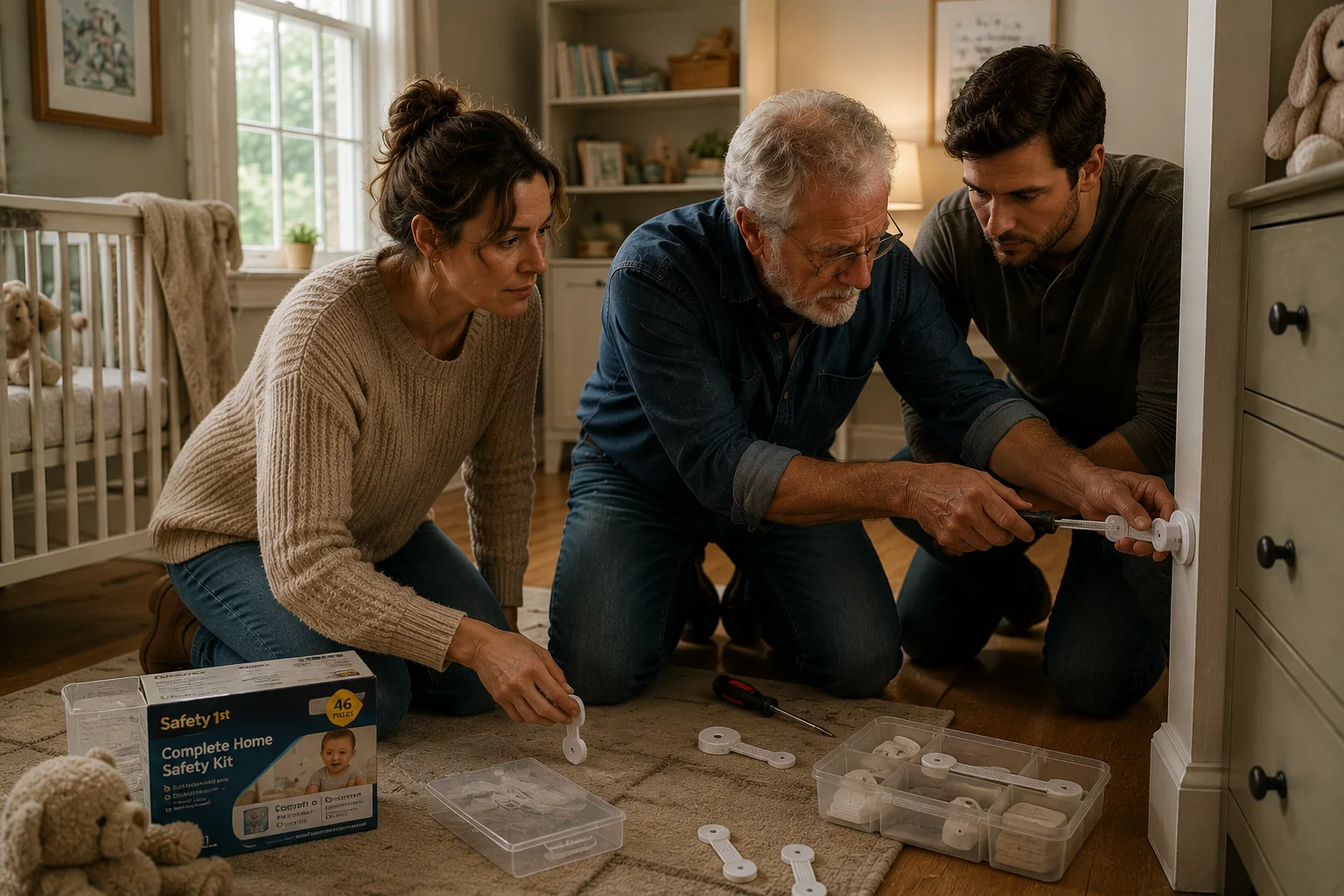
Real stewardship understands the difference.
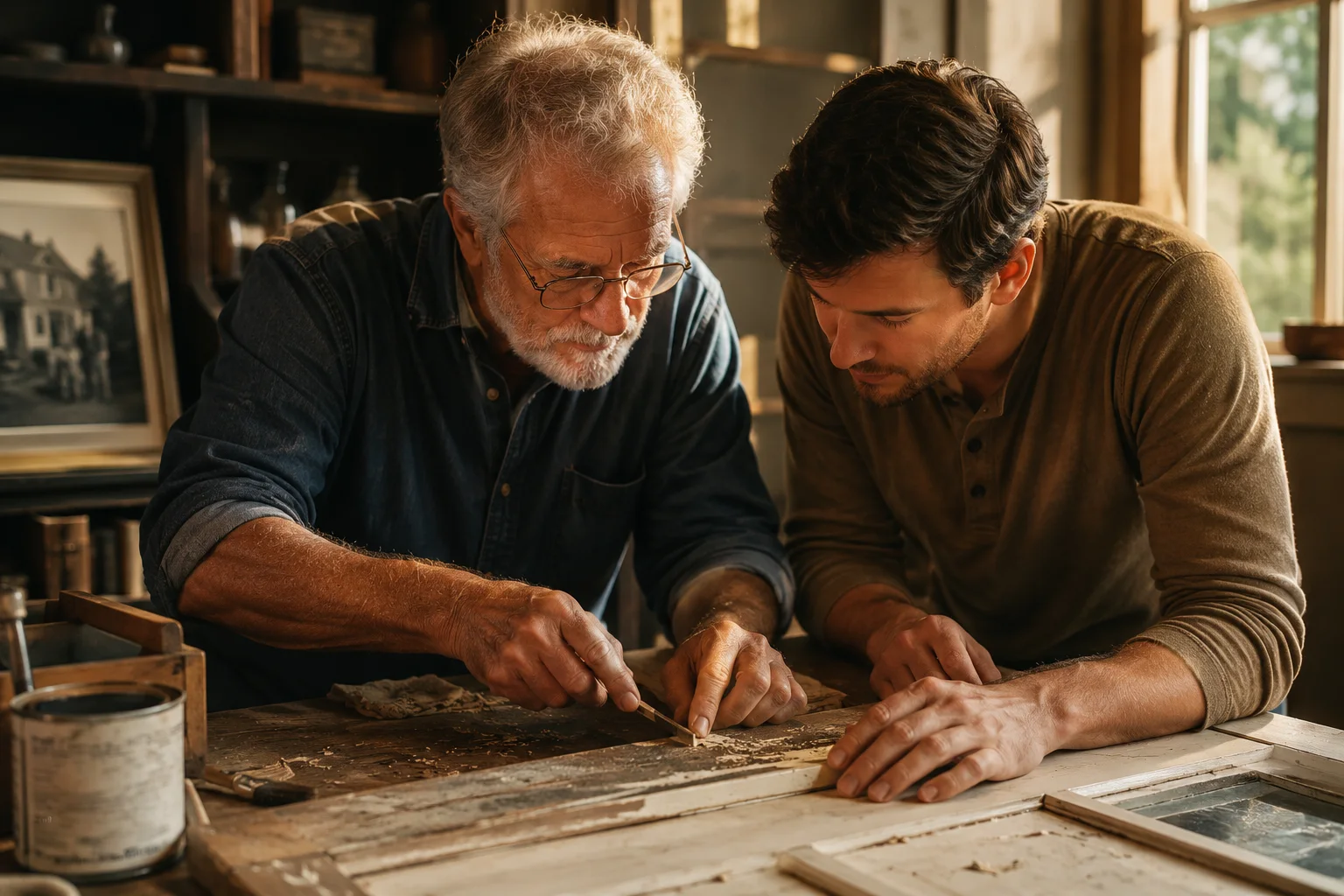
The old wise uncle did not walk into somebody’s home and say:
“You should spend $40,000 immediately because the spreadsheet says so.”
He might have said:
“You have a baby coming. Patch it for now. We’ll revisit it next year.”
Or:
“You’re trying to retire soon? Let’s focus on the things buyers will actually notice first.”
Or:
“You’re tight on money right now. Don’t touch that unless it gets worse.”
That is stewardship.
Not perfection.
Not optimization.
Not squeezing every dollar possible out of someone’s fear.
Just calm, human prioritization.
That is also why Potomac Lux was never meant to become another AI maintenance platform.
We are absolutely going to use AI.
We believe AI is one of the most important tools humanity has ever created.
But tools reflect the intentions of the people using them.
Most companies use new technology to become better at the same old tricks:
- more targeting,
- more urgency,
- more extraction,
- more pressure,
- more noise.
We think AI should do the opposite.
We think it should help people feel more capable.
More informed.
More confident.
More calm.
The future should not be about overwhelming homeowners with infinite information.
It should be about helping them understand what actually matters.
At the right moment.
In the right order.
For the right reasons.
That is why stewardship matters so much.
Stewardship is not about creating perfect homes.
It is about helping people make calm, informed decisions about their homes in the context of their actual lives.
Sometimes that means fixing something immediately.
Sometimes that means waiting.
Sometimes that means preparing a home for a new child.
Sometimes it means helping someone stabilize financially after losing a job.
Sometimes it means preparing a home to age gracefully alongside the people living inside it.
And sometimes stewardship simply means helping somebody breathe easier because they finally understand what is happening around them.
That may sound simple.
But modern life has made simple things surprisingly rare.
Especially peace of mind.

Maybe the future of homeownership is not smarter dashboards.
Or more notifications.
Or louder systems competing for attention.
Maybe the future is restoring something older.
Something quieter.
Something more human.
Guidance.
Continuity.
Context.
Trust.
The feeling that somebody understands the home alongside you.
Not to control your life.
Not to pressure you.
Not to scare you.
Just to help you take care of the place where life happens.
The place where people are supposed to feel safe.
And maybe that was the real art of stewardship all along.
After reading this article,
ask yourself one question:
If something important happened in your home tomorrow, would you know exactly where to find the history?
Start building your home’s memory today.
START YOUR HOME RECORD →Free to use. Paid projects and hands-on services are priced separately.
Continue Exploring
Related reading for the same homeownership context.
Home stewardship
AI Should Empower People, Not Extract From Them
Artificial intelligence should help people understand more, fear less, and make better decisions. Why Potomac Lux believes AI should empower people, not extract from them.
Home stewardship
How Rafael Michelena Got Here
The origin story behind Potomac Lux: how lived experience, home stewardship, continuity, and calmer decision-making shaped a new approach to modern homeownership.
Calm homeownership
The Future of Homeownership Should Feel Calmer, Not More Complicated
The future of homeownership is not more apps, alerts, dashboards, or homeowner burden. It is calmer stewardship supported by memory, continuity, guidance, and thoughtful coordination.
Home stewardship
Why Your Home Keeps Losing Its Memory
A Potomac Lux Journal essay on fragmented household knowledge, operational continuity, and the hidden exhaustion of rebuilding context from scratch.