
Potomac Lux Philosophy
The Case for 1997
What are we willing to give up for convenience? A Potomac Lux founder essay on technology, independent businesses, privacy and the future of local communities.
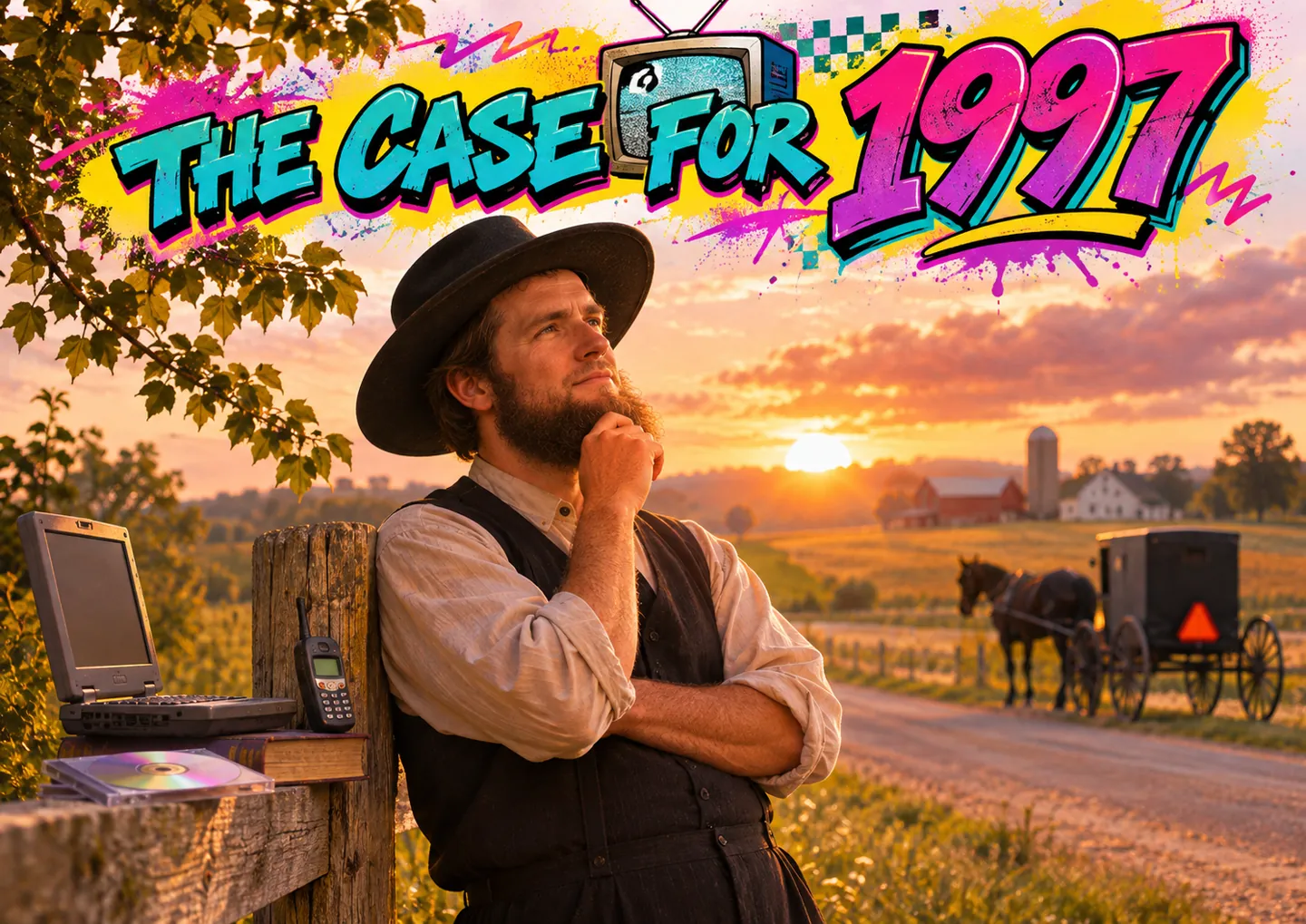
Somewhere between making life easier and making everything smarter, we may have forgotten what we were trying to accomplish.
It was an ordinary Monday in November. People were shopping for the holidays, checking their bank accounts, reading the news and getting ready for another week of work. Unbeknownst to many of them, someone had found a way to turn some of the world’s most familiar websites against their own visitors.
On November 16, 2026, a security researcher uncovered a cyberattack involving websites associated with 178 organizations, including Salesforce, CNN, IKEA, HSBC and Zoom. The attackers didn’t need to compromise each company individually. They compromised technology that these companies had in common.
The very interconnectedness that makes our modern world so remarkably convenient had become one of its vulnerabilities.
And here I was, thinking about the Amish.
Perhaps They Were Onto Something

I’ve occasionally wondered whether the Amish were onto something. Not necessarily the horse and buggy part, but the idea that progress doesn’t have to be accepted unconditionally.
Perhaps my particular version of being Amish would involve drawing the line at 1997. We’d keep the internet, air conditioning and Nintendo. My refrigerator wouldn’t need a software update, my washing machine wouldn’t require a password, and I could look under the hood of my car without needing a doctorate in quantum computing.
I’m only half joking.
What’s particularly interesting about the Amish is that they don’t necessarily reject technology altogether. Many of their communities evaluate new technology against the things they value most. In other words, they decide how they want to live before deciding what technology to introduce into their lives.
We seem to have done it the other way around.
The Price of Convenience
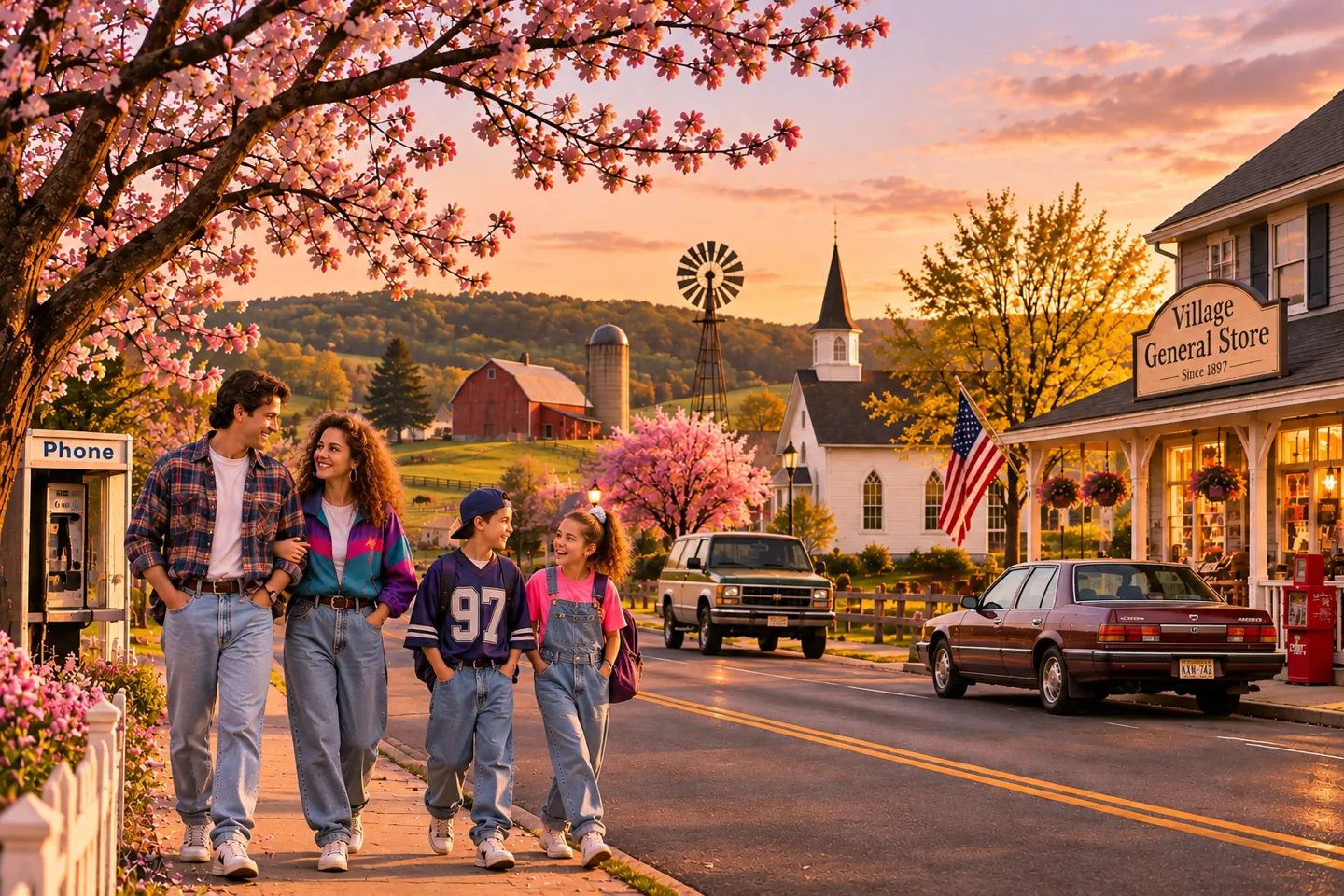
Somewhere along the way, we stopped asking whether technology was making our lives better and started asking what else technology could do. Those are two remarkably different questions.
We surrendered a little privacy for personalization, a little independence for convenience and a little control for efficiency. Individually, most of these decisions seemed perfectly reasonable. Collectively, they’ve created a world in which an extraordinary amount of our personal and professional lives depends on a relatively small number of companies.
And the more we concentrate our information, the more attractive that information becomes to those who wish to steal it. Why break into a hundred different buildings when so much of what you’re looking for is already under one roof?
Perhaps it’s time to revisit some fundamentals. What do we actually want? What do we genuinely need? And how much are we willing to give up in exchange for a little more comfort?
Maybe Smaller Is Better
At Potomac Lux, we’re still a small business. Most people have never heard of us, and we certainly don’t pretend to have all the answers. But building a company from the ground up has given us an opportunity to question some of the conventions we’ve inherited.
It’s one of the reasons we’re developing free tools for independent contractors. We don’t believe an electrician, a carpenter or a plumber should have to spend thousands of dollars on software before earning their first dollar as a business owner. Technology should lower the barriers to independence, not introduce new ones.
Recent events have also given us new things to consider. Technologies like blockchain, decentralized storage and portable data are worth exploring. Whether they’re ultimately the right solutions for us remains to be seen, but we have the freedom to ask these questions as we build.
Perhaps being small isn’t always a disadvantage.
Moving Forward, a Little Differently
I don’t particularly want to give up modern medicine, artificial intelligence or the ability to have a conversation with someone on the other side of the planet. And having lived through dial-up internet, I’m perfectly happy to leave certain aspects of 1997 behind.
But I’ve been thinking about the idea behind community banks and credit unions. There’s something appealing about a financial institution that knows its community, understands its businesses and has an interest in seeing them succeed. I wonder whether we could apply some of that same thinking to technology.
Imagine having a local cybersecurity professional who knows your name, understands your business and is looking for solutions to your particular problems. Or Pedro from down the street, who manages your databases and whose children go to school with yours. The money you spend running your business helps someone else in your community run theirs.
Until recently, the economics of technology made much of that difficult. Large corporations could offer capabilities that smaller companies simply couldn’t afford to provide. But artificial intelligence and emerging technologies may be changing that equation.
Wouldn’t it be wonderfully ironic if the very technologies we thought would make the world more interconnected ultimately gave us the freedom to become more local?
I wonder whether the next great technological achievement will be the creation of another trillion-dollar corporation or the ability to help a million ordinary people build something of their own.
I’d like to see more neighborhood businesses, more independent professionals and more people making a living doing something they love. If technology can help us get there without asking us to surrender the very independence we’re pursuing, then perhaps we’re finally asking it to do the right things.
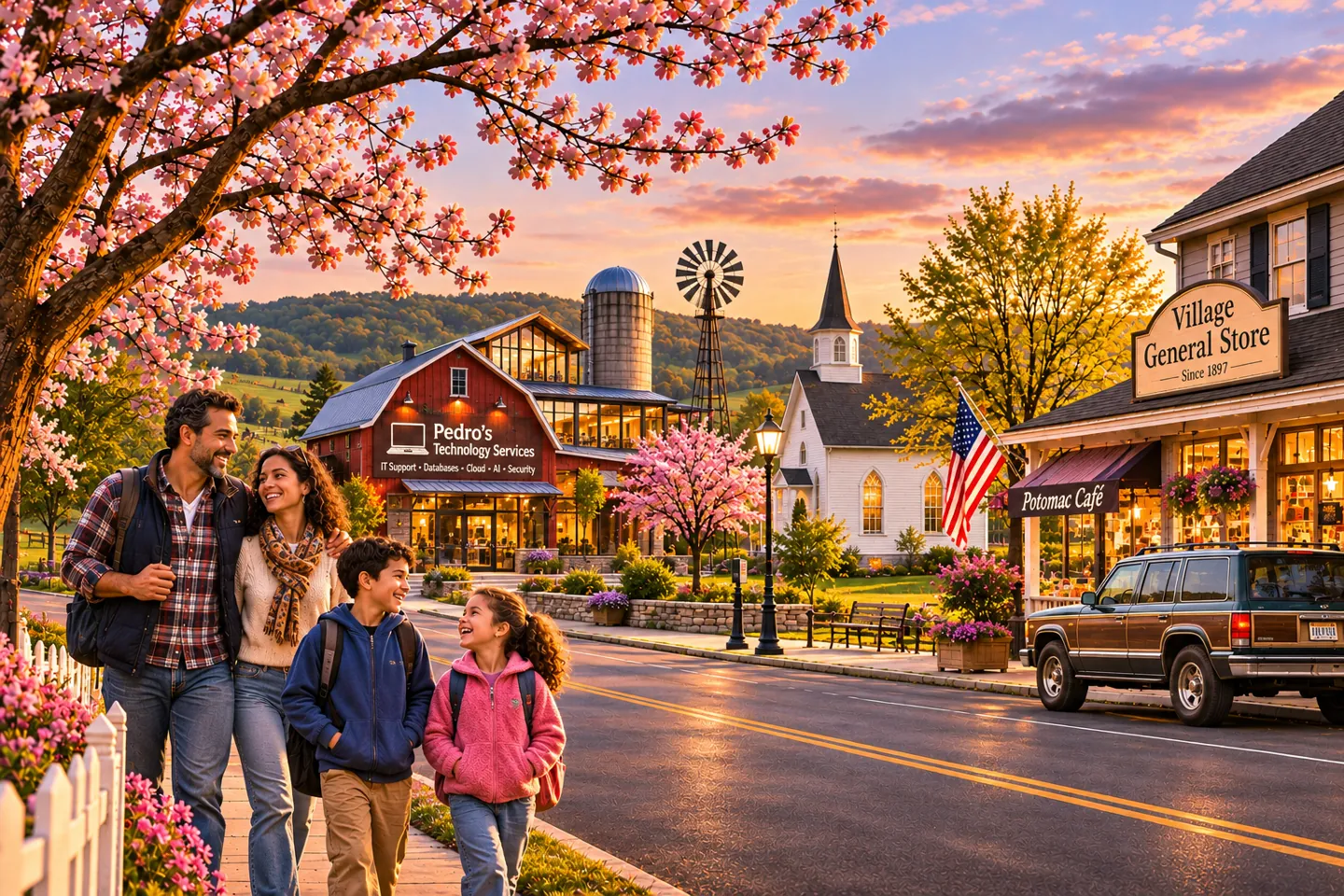
We don’t need to go back to 1997.
We just need to remember what we truly value and what it’s worth to us.
Potomac Lux | The Art of Better Living.
Further reading
After reading this article,
ask yourself one question:
If something important happened in your home tomorrow, would you know exactly where to find the history?
Start building your home’s memory today.
START YOUR HOME RECORD →Free to use. Paid projects and hands-on services are priced separately.