
Winter home preparedness
A Super El Niño Is Coming. Is Your DMV Home Ready?
Winter 2026–27 could feature a powerful El Niño. Preparation is not about predicting the next storm; it is about knowing what to check before one arrives.
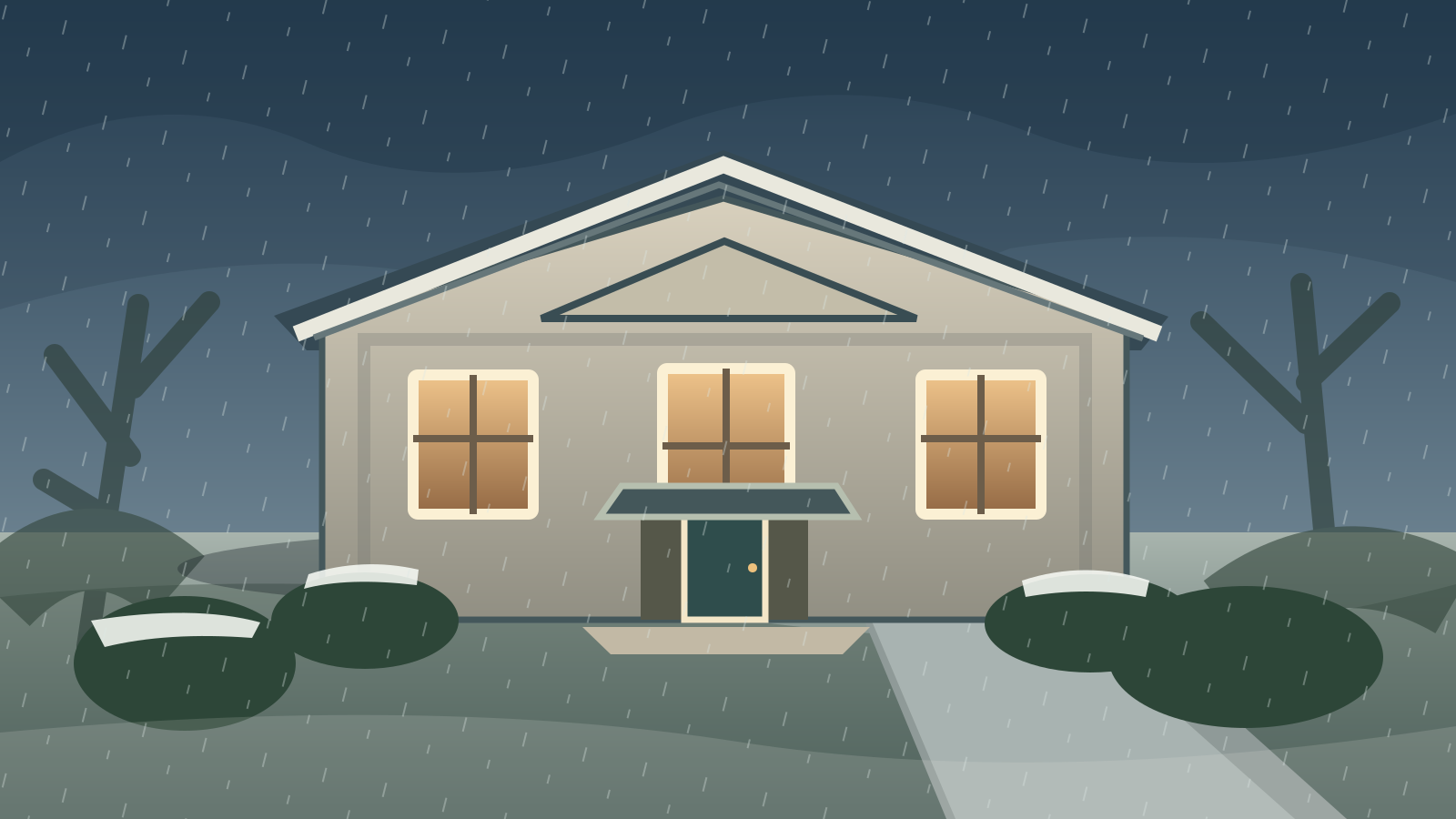
Imagine waking up to heavy rain after several days of freezing temperatures. A gutter is overflowing, water is pooling near the foundation, and somewhere in the house an exposed pipe has started leaking.
Or perhaps winter arrives quietly, until an ice storm interrupts power to the very equipment your home depends on.
The trouble with winter is not always what the forecast predicts. It is what we discover about our houses when something goes wrong.
This year, there is a specific reason to prepare: El Niño.
What NOAA actually says about winter 2026–27
In its November 12, 2026 ENSO Diagnostic Discussion, NOAA’s Climate Prediction Center said El Niño was continuing to strengthen. A strong-to-very-strong El Niño was likely through January–March 2027, with odds above 79 percent.
El Niño develops when the central and eastern tropical Pacific become unusually warm, influencing atmospheric circulation and storm patterns thousands of miles away.
But the phrase super El Niño is not a prediction of a super snowstorm in Maryland. NOAA’s local Baltimore/Washington El Niño research shows that snowfall has varied widely across El Niño winters. The path of an individual storm and whether cold air is in place still matter enormously.
A powerful El Niño increases the reason to pay attention; it does not tell us exactly what will happen on your street.
For homeowners, the best strategy is to prepare for several plausible outcomes: prolonged rain, rapid temperature swings, ice, snow, and interruptions to water, power, and heat. Many of these preparations make sense even if the winter turns out milder than expected.
1. Think about water before you think about snow
An eventful winter does not need to deliver a blizzard to create expensive trouble.
Walk around the property during or just after ordinary rainfall. From the ground, check whether gutters overflow, downspouts discharge near the foundation, or water collects at basement doors and window wells. Make notes about where the water actually goes.
If your basement relies on a sump pump, confirm that it works and consider whether a professionally installed battery backup is appropriate. Know whether stormwater drains and underground discharge lines have caused problems before.
For a Potomac estate, this may mean following runoff across long rooflines, terraces, retaining walls, and landscaped grades. For a smaller Bethesda or Chevy Chase home, the concern may be a basement window well or an aging gutter connection. The important thing is to observe your property, not assume that all homes in one neighborhood behave alike.
Do this now: During the next rain, take three photographs: the downspouts, the lowest point beside the foundation, and any location with a history of moisture.
2. Identify your vulnerable pipes before a hard freeze
A relatively mild winter can still contain nights cold enough to freeze exposed plumbing.
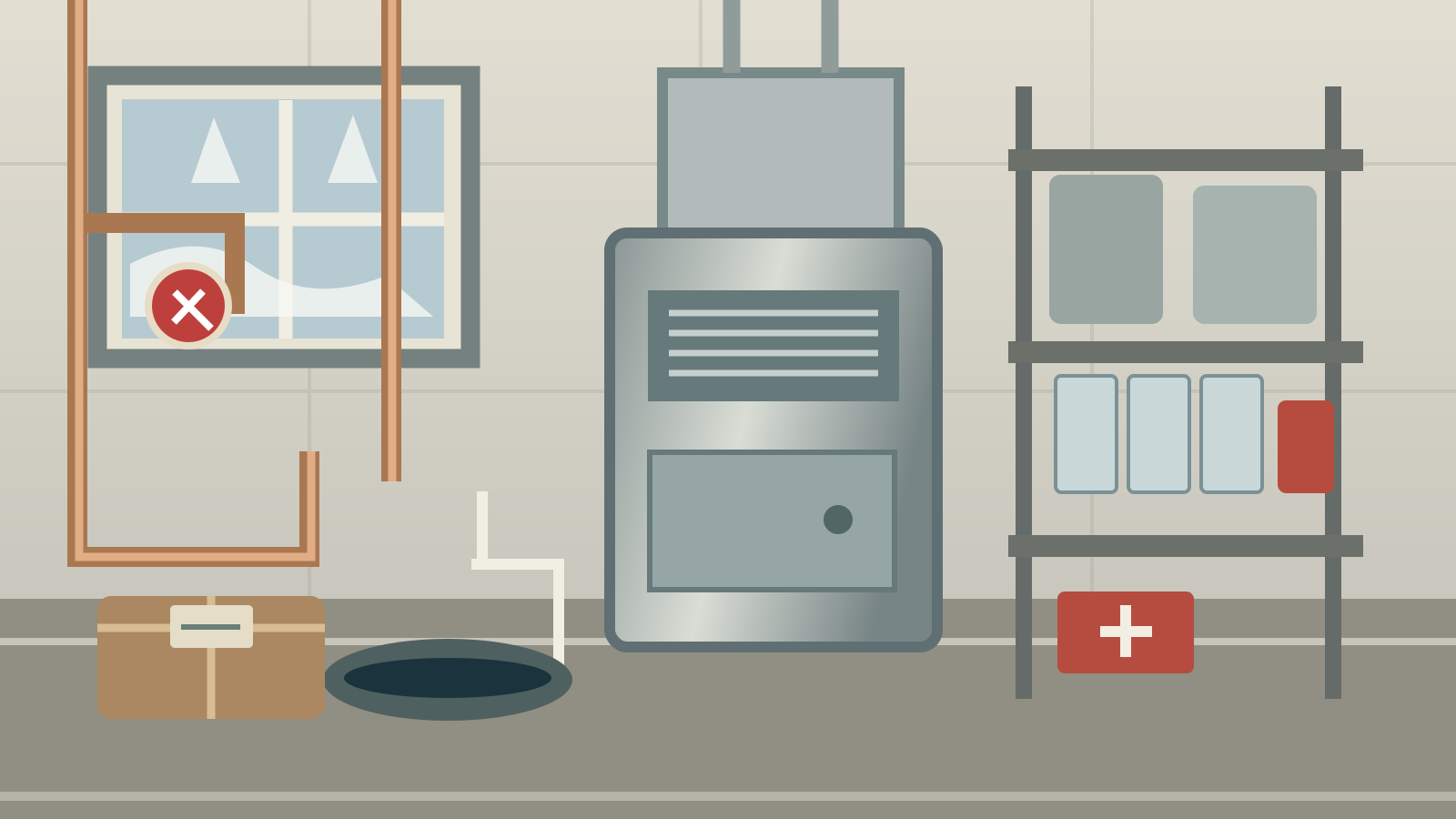
Check the locations of water pipes in unheated crawl spaces, garages, exterior walls, and utility rooms. Locate the main shutoff and make sure another household member knows how to reach it.
Disconnect hoses and follow the manufacturer or a qualified professional’s winterization instructions for exterior faucets, irrigation, and other exposed lines. Do not use open flames or improvised electric heaters to thaw frozen pipes.
Do this now: Photograph and label the main water shutoff. Record any pipe that has frozen in a previous winter. If you are unsure whether plumbing needs protection, arrange a qualified inspection.
3. Look for the places where roof water meets cold air
Snow may be headline-making, but repeated wetting, freezing, thawing, and refreezing can also expose roofing weaknesses.
Look from a safe location for displaced shingles, damaged flashing, blocked gutter outlets, and telltale interior stains. Have a roofing professional evaluate existing leaks or deterioration rather than attempting hazardous ladder or roof work yourself.
Older houses may have intricate roof intersections or masonry details. Larger properties may have several buildings and multiple gutter systems. Those differences affect what needs attention, but age or size alone does not determine risk.
Do this now: Compare current ceiling and attic stains with older photographs, if you have them. Document changes before they become emergency calls.
4. Make a plan for a power outage, not just a storm
You do not need a record-breaking winter event to lose electricity for several hours.
Check emergency lighting, charging options, prescription and medical-equipment needs, and how you would keep a safe temperature if heating stopped. Confirm how the household will receive weather alerts and contact help.
For rural properties around Poolesville and other communities, a private well may stop supplying water when the pump loses power. Households using propane or other delivered fuels should verify their supply and delivery arrangements before severe weather.
Generator safety is nonnegotiable. Never run a portable generator in a garage, basement, or near doors or windows, and never use an outdoor grill or camp stove as indoor heat. Follow manufacturer guidance, local rules, and emergency instructions.
Do this now: List the systems that stop working when the power goes out, from heat and water to refrigeration and connectivity.
5. Prepare the house you actually own
The DMV is not a single kind of housing market, and your winter plan should reflect the building.
A historic Chevy Chase property may deserve particular attention to older plumbing, roof flashing, masonry, and basement moisture. A sprawling home in Potomac or Great Falls might require checking several heating zones, detached structures, and complex landscape drainage.
A rural Poolesville property may depend on a well, septic system, long driveway, private access, or delivered fuel. A newer Leesburg home could benefit from reviewing lot grading, stormwater outlets, and any newly established landscaping.
None of those features automatically means a problem exists. They are prompts to investigate what is true of your house.
6. Make sure the next person knows what you learned
A storm does not simply create repair bills. It often creates missing information.
Which contractor last serviced the heating system? What model is the sump pump? Was that basement leak repaired, and where? When was the roof replaced? Where are the warranty documents?
Before winter becomes busy, bring those answers into one place. Save photographs, service dates, invoices, warranty details, and the location of critical shutoffs.
Even one useful record today can make a future decision easier.
Take the free Potomac Lux Winter Home Readiness Assessment
We’ve built a free, practical 15-point Winter Home Readiness Assessment covering heating, plumbing, water intrusion, household safety, and home records.
Check Your Home’s Winter Readiness — Free →
You can use the assessment without creating an account. If you want to keep your house’s information organized over time, start a free Potomac Lux Home Record to preserve photos, repairs, systems, and the details you will want next season.
Whatever El Niño brings, preparedness is still the advantage
Maybe this winter brings repeated rain. Maybe one significant ice or snow event interrupts the usual routine. Maybe the season unfolds more quietly than some forecasts suggest.
No one can tell you exactly what will happen at your address months in advance.
But you can know where the shutoffs are. You can understand how water moves around the foundation. You can check the heating system, prepare for an outage, and preserve the information that makes a home easier to care for.
Being prepared does not mean expecting the worst. It means having fewer surprises, whatever the season brings.
Potomac Lux. The Art of Better Living.
Sources and further reading
- NOAA Climate Prediction Center: ENSO Diagnostic Discussion, November 12, 2026
- National Weather Service Baltimore/Washington: El Niño and DC/Baltimore Winters
- National Weather Service: ENSO, NAO, and local winter snowfall
- CDC: Winter weather safety
Forecast context reflects information available November 22, 2026. Check the National Weather Service and local emergency management for current watches, warnings, and immediate safety instructions.
After reading this article,
ask yourself one question:
If something important happened in your home tomorrow, would you know exactly where to find the history?
Start building your home’s memory today.
START YOUR HOME RECORD →Free to use. Paid projects and hands-on services are priced separately.