Calm homeownership
Why Do You Know More About Your 1997 Honda Than Your Million-Dollar Home?
Most homeowners know more about an old Honda than the place they live. Here's why—and why homeownership deserves a better culture.
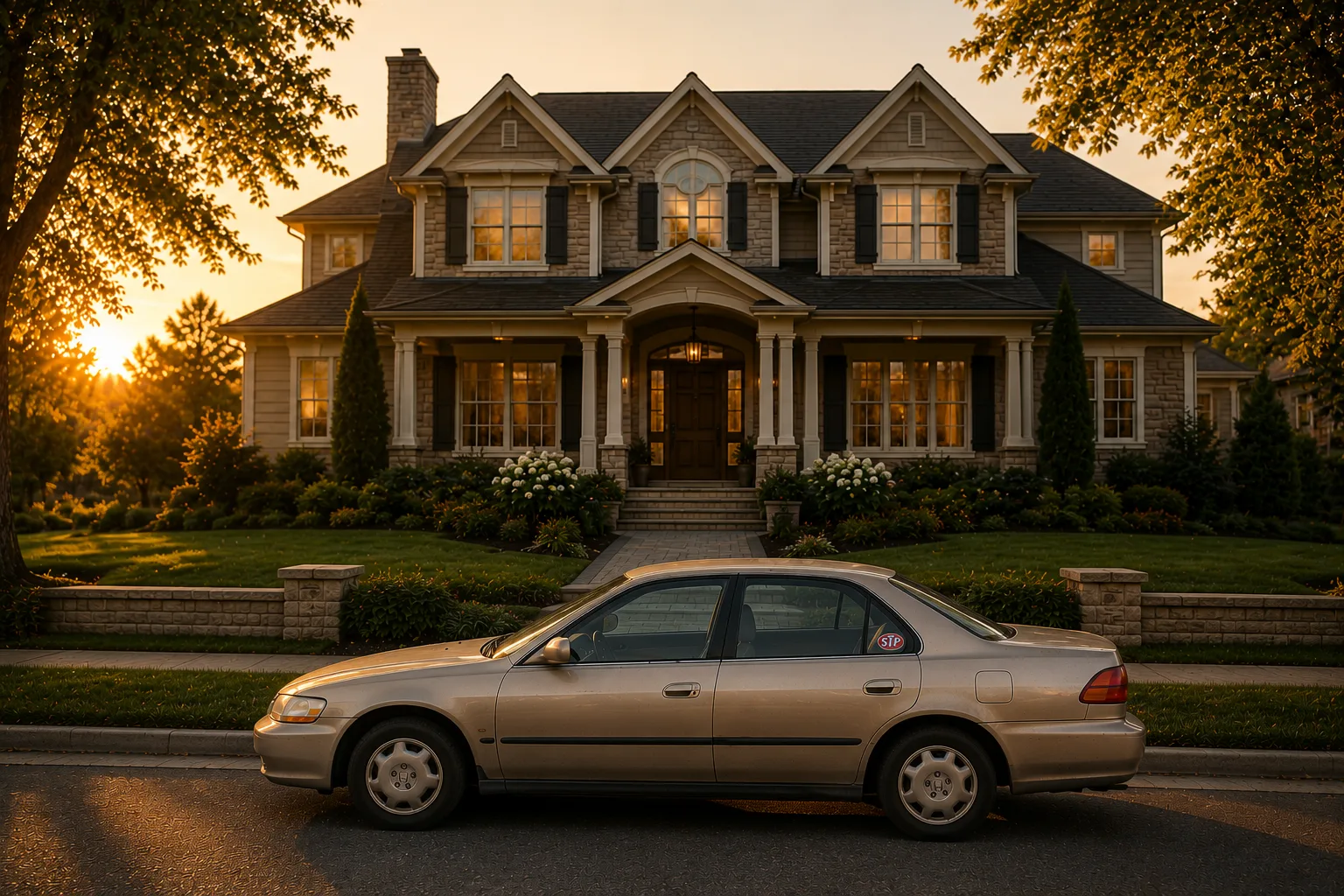
Isn’t it weird that before you’re allowed to drive a car, someone makes sure you know how to take care of it? Then you buy a million-dollar home, they hand you the keys… and your first bill. That’s it.
No homeowner’s education. No owner’s guide for your house. No explanation of how all the systems work together. No one telling you what deserves your attention over the next twenty years. Just congratulations, a stack of paperwork you’ll probably never read again, and the first of many, many bills. Somehow, we’ve all agreed this is perfectly normal.
Now here’s another strange thought. There’s a good chance you know more about a 29-year-old Honda worth less than $2,000 than you do about the place where you sleep every night.
Think about that old Honda sitting in someone’s driveway. It has nearly 300,000 miles on it. The paint is faded, one hubcap disappeared years ago, and the driver’s seat has permanently molded itself to its owner. Ask that owner about the car, though, and they suddenly become an encyclopedia. They know when the timing belt was replaced, which mechanic they trust, why the air conditioner only works after ten minutes, and that little rattle that “has always been there.” They aren’t mechanics. They probably couldn’t rebuild an engine if you paid them. But our culture has taught them which things matter and why they should pay attention.
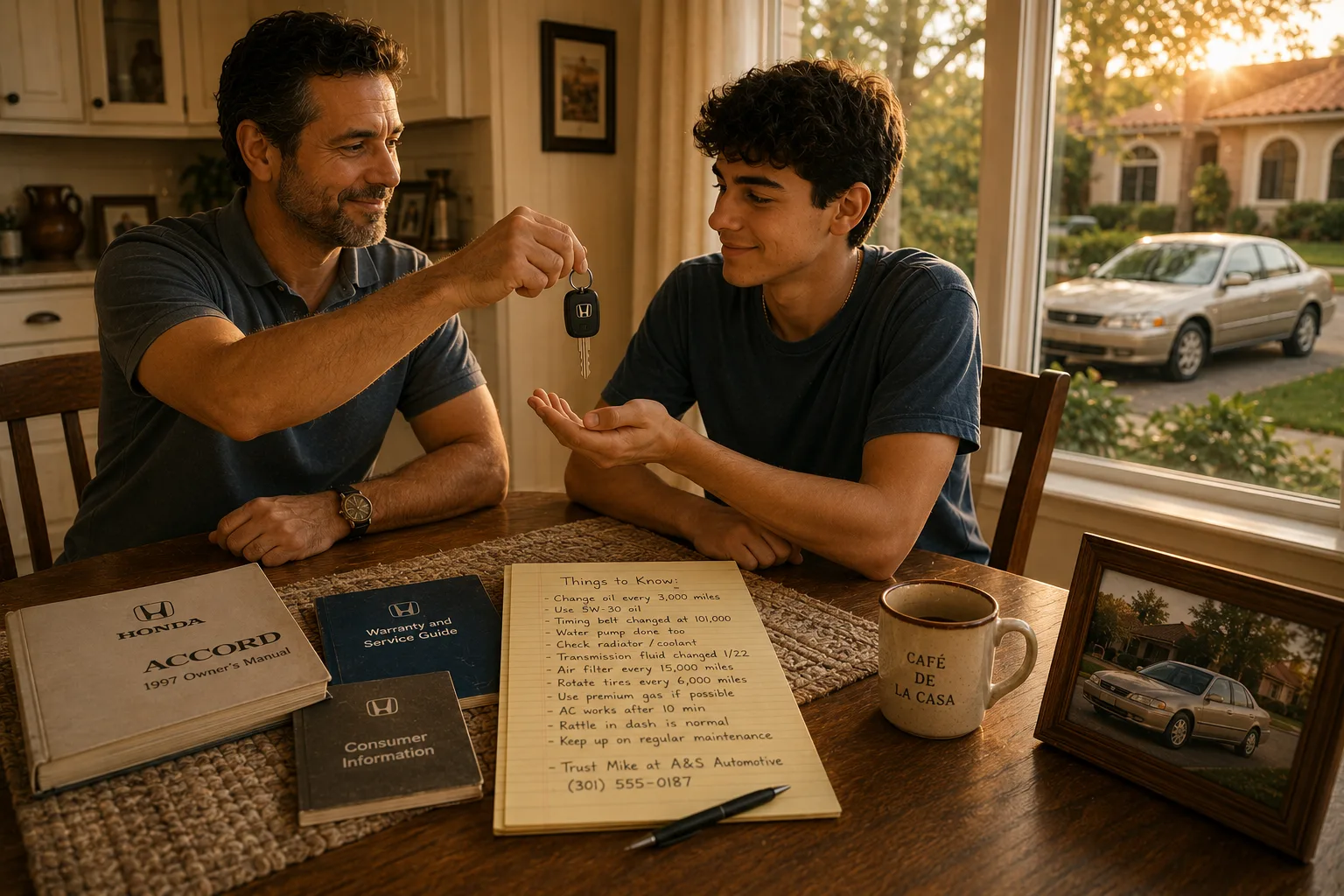
Now let’s play the same game with the house. How old is your water heater? When was the roof last inspected? Who replaced the electrical panel? Has that stain in the basement always been there, or is it getting worse? Where’s the main water shutoff?
For most of us, the confidence disappears pretty quickly.
That isn’t because homeowners are careless. It’s because we’ve built two completely different cultures. Cars come with owner’s manuals, maintenance schedules, service records, dashboard reminders, mechanics, inspection stickers, and decades of shared wisdom. Everywhere you turn, someone is reminding you that taking care of your car matters.
Homes don’t get that treatment.
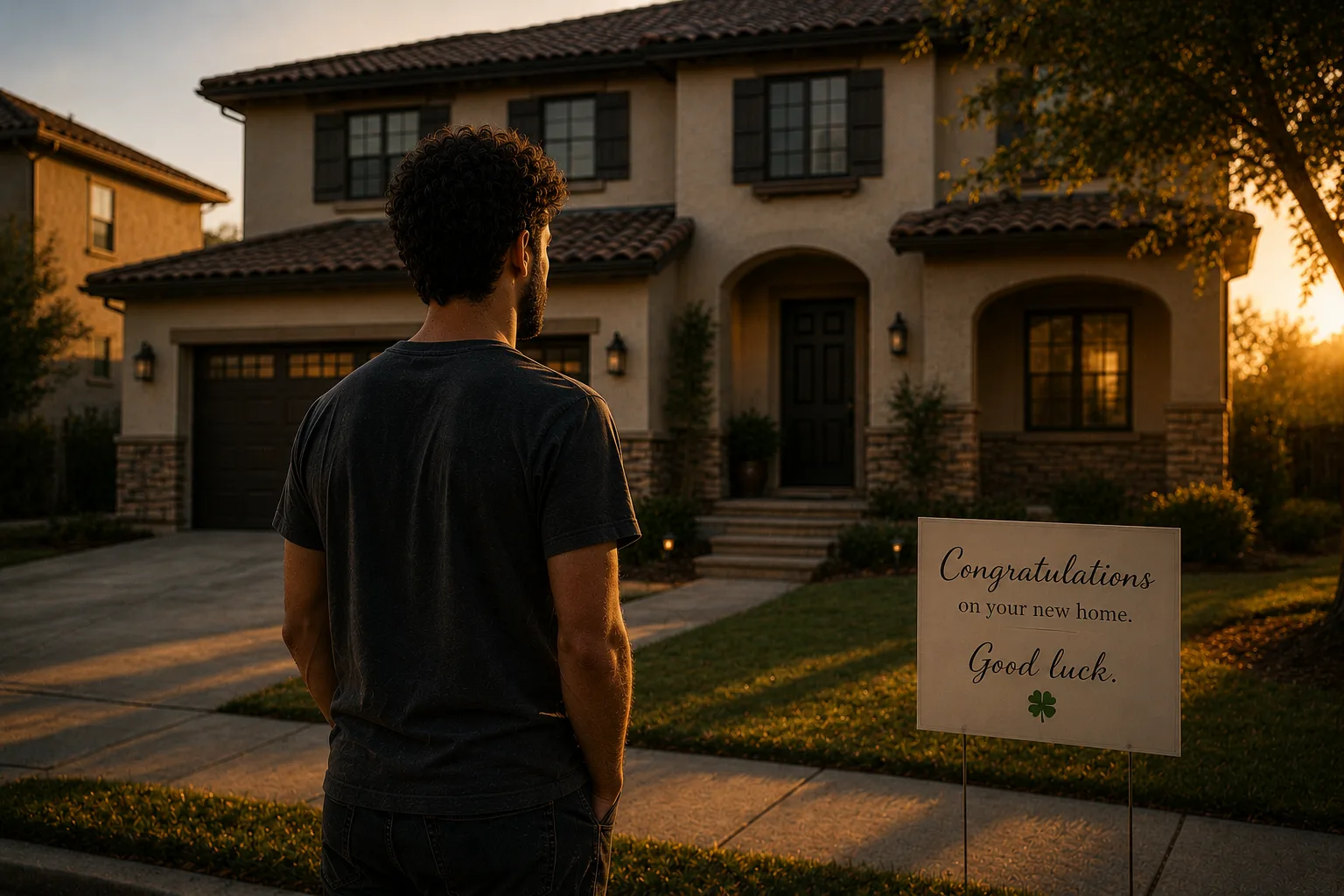
Every appliance has a manual. Your furnace has one. Your water heater has one. Your refrigerator has one. But the house itself doesn’t. Instead, you inherit a closing packet, a few appliance booklets, and—if you’re lucky—a folder from the previous owner that’s either a gold mine or three faded receipts, two expired paint coupons, and a takeout menu from a restaurant that closed eight years ago.
When you stop and think about it, that’s a bizarre way to treat the biggest investment most families will ever make. More importantly, it’s a bizarre way to treat the place that protects almost everything we care about. Our homes shelter our families, hold our memories, and literally keep us alive during the hottest summers and the coldest winters. Yet we somehow accept that most of what one homeowner learns disappears when the moving truck pulls away.
The problem isn’t that people don’t care. The problem is that nobody can remember everything, and most of us aren’t experts anyway. We’re not roofers, electricians, plumbers, or HVAC technicians—and even if we happen to be one of those things, we’re definitely not all of them. We don’t always know which details will matter ten years from now, so we do our best. We remember what seemed important at the time and forget the rest. Every homeowner passes along a little knowledge, loses a little knowledge, and—without meaning to—sends the next family back to the starting line.
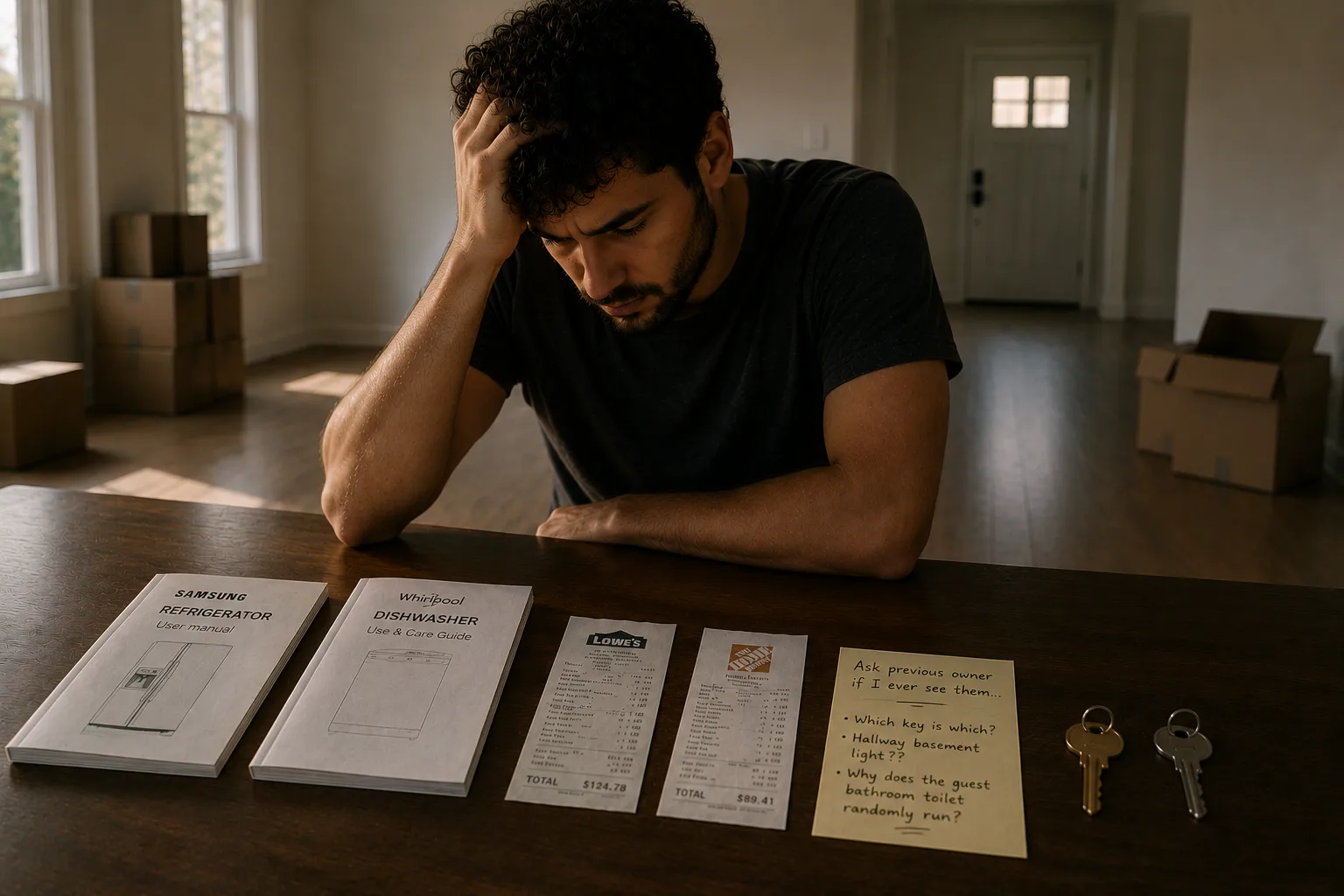
Imagine if it worked differently.
Imagine buying a home and inheriting its memory instead of just its paperwork. You’d know not only when the roof was replaced, but why. You’d know the stain in the basement first appeared five years ago and hasn’t changed since. You’d know which contractor solved a recurring plumbing problem and what they recommended for the future. You’d know which room always gets warm in August, which tree needs attention before storm season, and which little quirk isn’t actually a problem at all. Maybe someone before you already spent hours trying to figure out that mysterious pattering in the ceiling, only to discover it wasn’t a family of raccoons—it was simply the house settling whenever the temperature changed.
None of that would make the house perfect. But it would keep every homeowner—and every contractor—from solving the same mystery over and over again.
Maybe that’s the culture we’ve been missing all along.
Today, if a previous owner leaves behind organized records, maintenance notes, and thoughtful advice, it feels like an unexpected gift. We treat it as someone going above and beyond.
Maybe we have that backwards.
Maybe preserving the story of a home should be just as ordinary as changing the oil in a car. Maybe every homeowner should leave the next family a little better prepared than they were. Maybe every repair, every lesson learned, every recommendation from a trusted contractor, and every little mystery that someone else already solved should become part of the home’s story instead of disappearing with the previous owner.
Because the greatest thing you can leave behind isn’t a newer appliance or a fresh coat of paint. It’s a head start. It’s the confidence that the next family doesn’t have to begin at zero. It’s paying forward everything your home taught you, so someone else can spend less time guessing and more time living.
Maybe that’s what good homeownership has looked like all along.
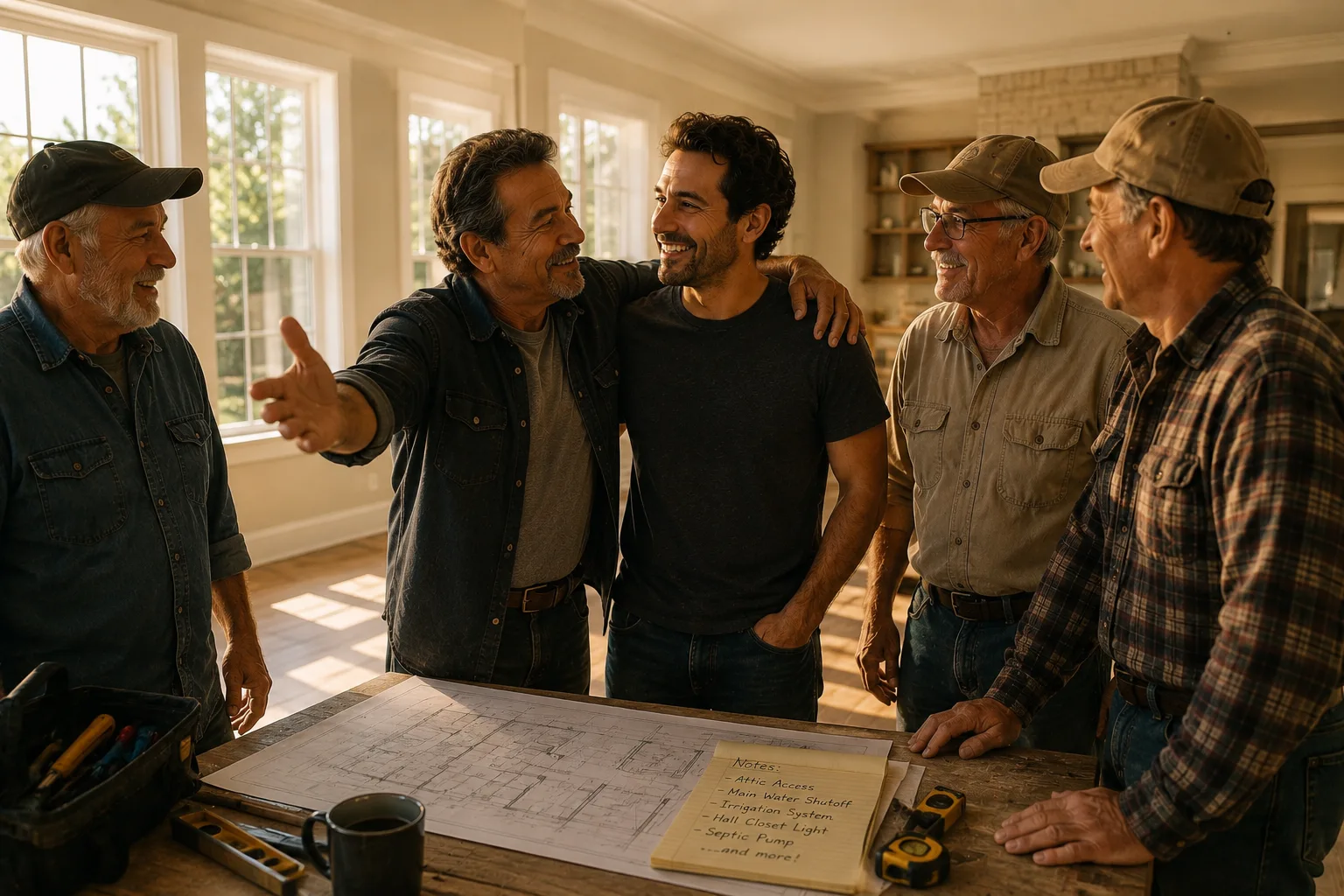
We just forgot to write it down.
For the practical answer behind the comparison, read Is There a CARFAX for Homes?. To see how that record can work in practice, read What Is a Home Timeline? and What Is a Digital Home Binder?.
After reading this article,
ask yourself one question:
If something important happened in your home tomorrow, would you know exactly where to find the history?
Start building your home’s memory today.
START YOUR HOME RECORD →Free to use. Paid projects and hands-on services are priced separately.
Continue Exploring
Related reading for the same homeownership context.
Home Memory
The Day Homes Started Remembering
A cornerstone essay on home memory, home history, and the quiet transformation that begins when a home's records, decisions, and lessons remain connected over time.
Home stewardship
Why Your Home Keeps Losing Its Memory
A Potomac Lux Journal essay on fragmented household knowledge, operational continuity, and the hidden exhaustion of rebuilding context from scratch.
Home stewardship
Your Home Should Remember Things So You Don’t Have To
A Potomac Lux Journal essay on operational memory, continuity-driven homeownership, and why a calmer home begins with preserving the details homeowners are too often expected to carry alone.
Calm homeownership
When Something Feels Wrong With Your Home: A Calm Guide to Making the Right Decision
Most homeowners don't panic because something broke. They panic because they don't know what it means. Learn how calm decision-making, continuity, and context can reduce the mental load of homeownership.